

Beginner Tips for Composting at Home: Easy Steps to Get Started
Composting at home is a rewarding way to reduce waste, enrich your soil, and support a healthy garden. If you’re new to composting, it might seem a bit overwhelming at first, but with a few simple tips, you can start turning your kitchen scraps and yard waste into valuable compost in no time. Here’s a beginner-friendly guide to help you get started with composting at home.
What is Composting?
Composting is a natural process where organic materials like food scraps and yard waste break down into nutrient-rich soil called compost. This compost can then be used to fertilize your garden, improve soil structure, and retain moisture.
Benefits of Composting at Home
– Reduces Household Waste: Composting helps divert food scraps and yard waste from landfills.
– Enriches Garden Soil: Adds essential nutrients and beneficial microorganisms to the soil.
– Saves Money: Decreases the need for chemical fertilizers and soil conditioners.
– Supports the Environment: Reduces methane emissions from landfills and lowers your carbon footprint.
Getting Started: Choose a Composting Method
Before you begin, decide on the type of composting that best suits your living space and lifestyle.
1. Traditional Compost Bin
A compost bin is a contained box or container that holds your compostable materials. These bins help retain heat and moisture and keep pests out.
– Ideal for backyards or gardens.
– Comes in various sizes and styles.
– Requires regular turning for aeration.
2. Compost Pile
Simply stacking organic materials in a pile is the most straightforward method.
– Requires ample outdoor space.
– Needs occasional turning to speed up decomposition.
– May attract pests if not managed well.
3. Worm Composting (Vermicomposting)
Using worms to break down food scraps is great for small spaces or indoors.
– Requires a worm bin.
– Best for kitchen scraps.
– Produces nutrient-rich worm castings (compost).
4. Tumbler Composters
These are spinning bins that make turning the compost easier.
– Speeds up the composting process.
– Easy to use and maintain.
– Usually suitable for smaller amounts of waste.
What Can You Compost?
Knowing what to add to your compost system is crucial for success.
Greens (Nitrogen-Rich Materials)
– Fruit and vegetable scraps
– Coffee grounds and tea bags
– Fresh grass clippings
– Eggshells (crushed)
– Plant trimmings
Browns (Carbon-Rich Materials)
– Dry leaves
– Straw or hay
– Shredded newspaper or cardboard
– Sawdust (from untreated wood)
– Small branches or twigs
Materials to Avoid
– Meat, dairy, and greasy foods (can attract pests)
– Diseased plants
– Pet waste
– Invasive weeds with seeds
Tips for Successful Composting
Balance Greens and Browns
Aim for a mix of approximately 2/3 browns to 1/3 greens by volume. This balance helps maintain the right carbon-to-nitrogen ratio for decomposition.
Chop or Shred Materials
Smaller pieces break down faster. Chop large scraps or shred leaves before adding them to your compost.
Keep It Moist
Your compost pile should be as damp as a wrung-out sponge. Too dry and decomposition slows; too wet and the pile may smell.
Turn Regularly
Turning your compost every 1-2 weeks introduces oxygen, which helps speed up the breakdown process and prevents odors.
Monitor Temperature
A healthy compost pile heats up as microbes break down the material. If it’s not warming, try adding more greens or turning it more often.
Be Patient
Composting can take from a few weeks to several months depending on conditions and materials. Be patient and keep adding to your pile.
Using Your Finished Compost
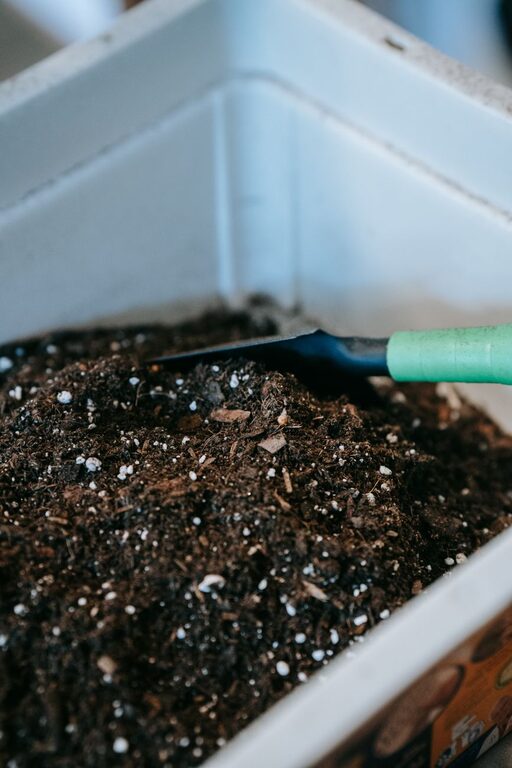
You’ll know your compost is ready when it looks dark, crumbly, and earthy-smelling, with no recognizable scraps.
– Mix into garden soil for improved texture and fertility.
– Use as mulch around plants to conserve moisture.
– Add to potting soil for container plants.
Troubleshooting Common Problems
– Foul Odor: Usually from too much green material or lack of air. Turn the pile and add more browns.
– Pile Too Dry: Add water and turn the compost.
– Attracting Pests: Avoid meat and dairy; use a closed bin if needed.
– Slow Decomposition: Chop materials finely and maintain moisture and aeration.
Final Thoughts
Starting a compost system at home is easier than you might think, and it offers many benefits beyond just reducing waste. By following these beginner tips and adjusting your approach as you learn, you’ll create a thriving compost pile that supports a greener, healthier garden.
Happy composting!