





How to Create a Relaxing Home Workspace for Better Focus
Creating a relaxing home workspace is essential for staying focused and productive while enjoying comfort throughout your workday. Whether you work remotely full-time or occasionally, having a dedicated area designed for calm and efficiency can make a significant difference in your mood and output. In this post, we’ll explore practical strategies to help you establish a soothing, well-organized workspace that supports your best work.
Why a Relaxing Workspace Matters
A cluttered or chaotic space can increase stress and reduce your ability to concentrate. Conversely, a thoughtfully arranged workspace helps you feel in control, motivates you to work, and can improve creativity. When your environment feels calm, your mind follows, making it easier to tackle tasks without distraction.
Step 1: Choose the Right Spot
Find a Dedicated Area
Pick a space in your home that you can designate solely for work. This helps your brain associate the area with focus and productivity. If space is limited, even a small corner or a section of a room can work well.
Consider Natural Light
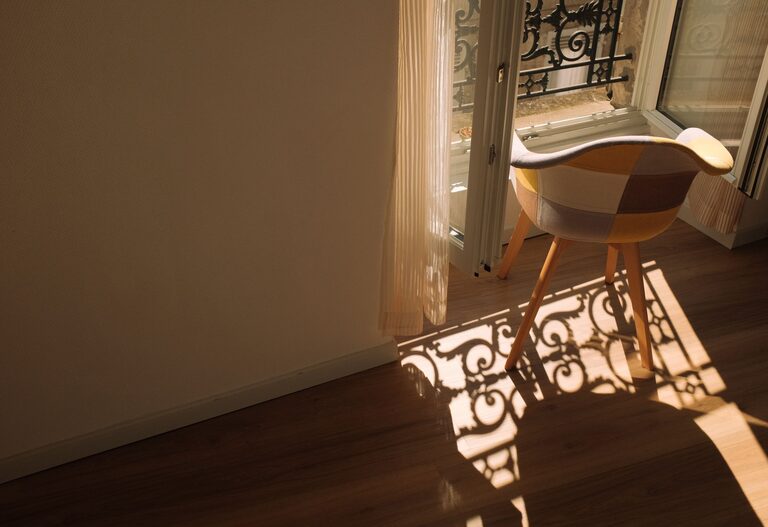
Set up your desk near a window if possible. Natural sunlight improves mood and energy levels. If natural light is limited, invest in a good quality desk lamp that mimics daylight to reduce eye strain.
Step 2: Optimize Your Furniture
Invest in Ergonomic Seating
A comfortable chair that supports your posture reduces fatigue and prevents discomfort. Look for adjustable chairs that fit your body and allow you to sit with feet flat on the floor and back supported.
Choose a Functional Desk
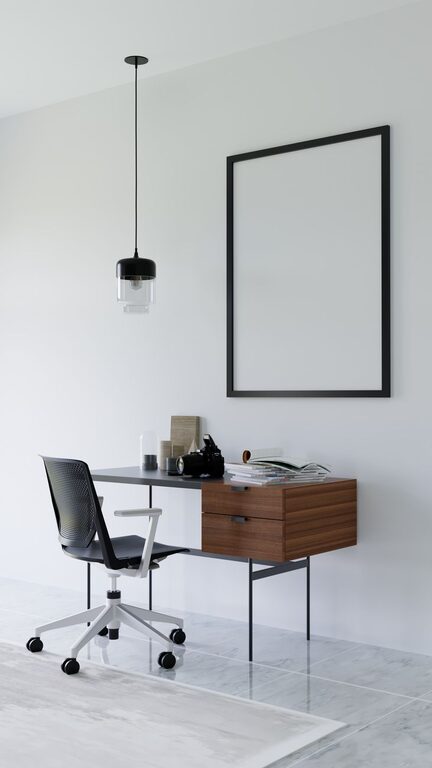
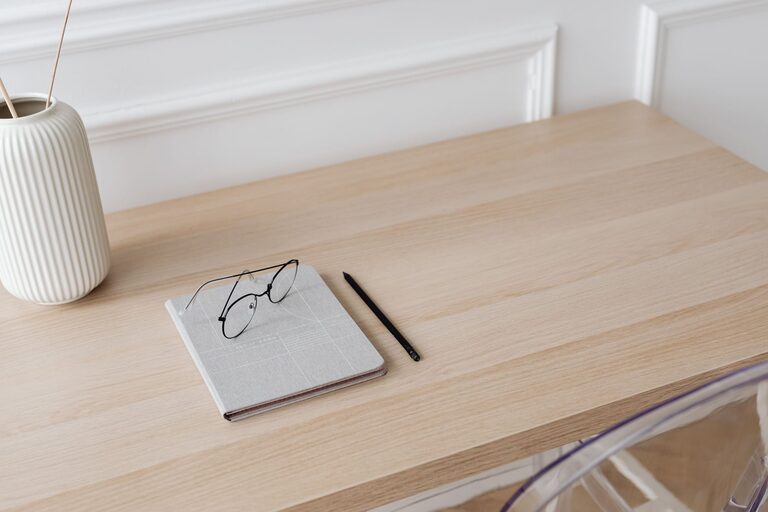
Your desk should be spacious enough to hold your computer, notes, and any tools you regularly need. A clean and uncluttered desk surface encourages clear thinking.
Step 3: Declutter and Organize
Keep Only Essentials Nearby
Limit what’s on your desk to items you use daily. Store other supplies in drawers or shelves to maintain a neat appearance.
Use Organizers and Storage Solutions
Desk trays, drawer dividers, and shelves help keep papers, stationery, and gadgets in place. Label storage containers to make it easy to find things quickly.
Tackle Paperwork Regularly
Sort and file documents weekly to avoid piles building up. Consider going digital for receipts, notes, and files to reduce physical clutter.
Step 4: Personalize with Calming Elements
Add Plants
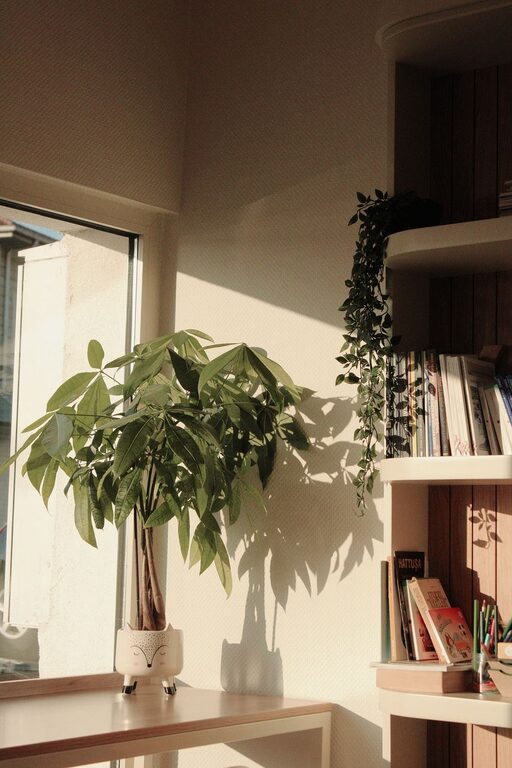
Houseplants bring life to your workspace and improve air quality. Choose low-maintenance varieties like succulents or pothos that thrive indoors.
Decorate with Soft Colors
Gentle colors like pastels, light blues, or greens create a soothing atmosphere. Avoid overly bright or clashing hues that may be distracting.
Include Meaningful Decor
Photographs, artwork, or inspirational quotes can motivate you. Just keep decorations minimal to avoid visual overwhelm.
Step 5: Manage Noise and Distractions
Use Noise-Cancelling Headphones or Soft Music
If you live in a busy household or noisy area, headphones can help you tune out distractions. Playing soft instrumental music or nature sounds enhances focus for many people.
Establish Boundaries
Communicate your work hours to family or roommates. Use a door sign or signal when you need quiet time to minimize interruptions.
Step 6: Improve Air Quality and Comfort
Ventilate the Space
Open windows regularly to allow fresh air circulation. Good ventilation reduces stuffiness and helps keep you alert.
Control Temperature
Make sure the room temperature is comfortable, neither too hot nor too cold. Use fans, heaters, or air conditioning as needed.
Step 7: Incorporate Break and Movement Areas
Create a Spot for Quick Breaks
If space allows, add a comfy chair or cushion nearby where you can relax for short breaks. Briefly stepping away from your desk refreshes your mind.
Stretch and Move
Set reminders to stand, stretch, or walk around periodically. Movement decreases stiffness and boosts circulation, helping maintain energy.
Step 8: Use Technology Wisely
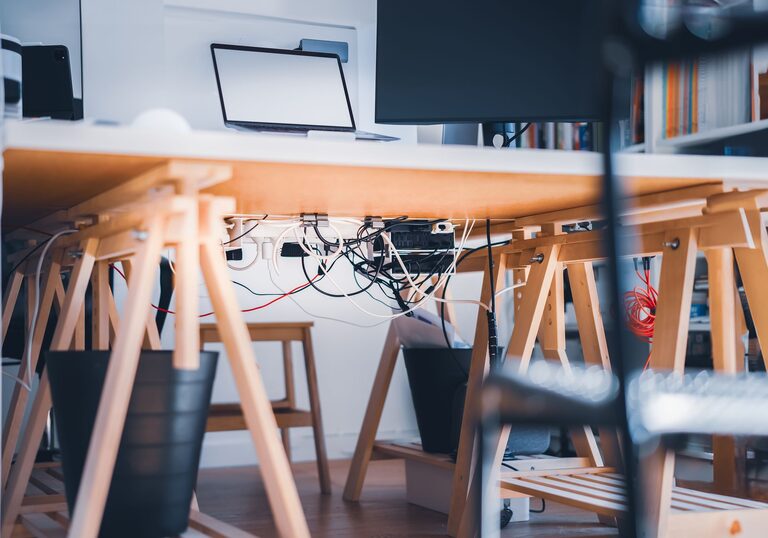
Keep Cables Organized
Use cable ties or clips to prevent cords from tangling or cluttering your desk area.
Choose Efficient Tools
Invest in a reliable computer, keyboard, and mouse that feel comfortable to use. Limit open tabs and notifications that can distract during work.
—
Final Thoughts
Building a relaxing home workspace doesn’t require a large budget or complicated redesign. By selecting the right location, keeping your area tidy, adding personal touches, and focusing on comfort, you can create an environment that supports productivity and reduces stress. Remember, a calm workspace encourages a calm mind—giving you the best chance to succeed in your tasks.
Start small, experiment with what feels best to you, and enjoy the benefits of a peaceful, well-organized home office.